| HOME |
| PROJECT DETAILS |
| PROJECT ADMINSTRATION |
| PUBLICATIONS |
| JOINT RAPTOR STUDY |
| THE MOOR |
| THE GROUSE |
| THE RAPTORS |
| OTHER WILDLIFE |
| DIVERSIONARY FEEDING |
| GAMEKEEPING |
| WILDLIFE SURVEYS |
| NEWS |
| CONTACT |
| PHOTO GALLERY |
PHOTO GALLERY
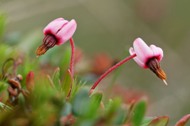 |
Native cranberries are a beatiful part of the bog flora at Langholm and are thriving in the open damp habitats. We request users that any higher resolution downloads previously made of these images are deleted.
|
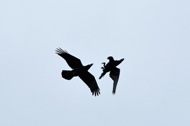 |
Ravens are a regularly breed on and around the moor and are part of the suite of birds being monitored. We request users that any higher resolution downloads previously made of these images are deleted. |
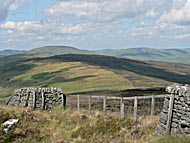 |
Much or the heather area at Langholm was reduced by over-grazing in the past. The project aims to restore some of these areas by reseeding areas of poor quality upland grass. |
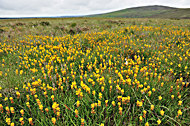 |
Langholm has a rich upland flora which can be spectacular; like this stand of bog asphodel. |
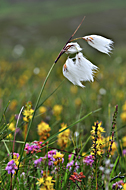 |
Cotton grass is a typical upland plant of blanket bog. Its flowers are highly nutritious especially for hen red grouse preparing for egg laying in the spring. |
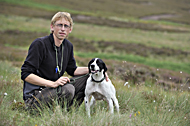 |
Grouse stocks are assessed by finding and flushing grouse from specific moorland plots each year.Pointing dogs are essential to help find all the grouse on these study areas. |
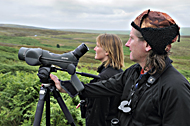 |
All the birds of prey that breed on the project area are recorded. They are carefully watched so their nest sites can be discovered. |
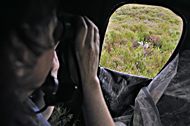 |
Detailed watches are carried out on the hen harrier nests, not only to see how many chicks they fledge, but also to find out what prey they have been taking. |
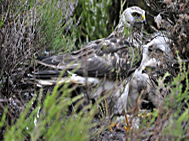 |
Hen harriers, like this female with her chicks, nest on the ground usually in tall heather, such as here at Langholm. |
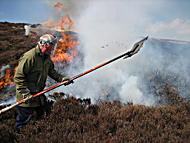 |
Heather burning, known as muirburn, involves creating small cool fires that burn the old twiggy heather, allowing the plants to regenerate from the base. |
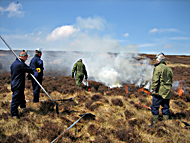 |
Langholm keepers begin the task of burning patches of tall heather to improve conditions for grouse. |